
Read Queens County Deed Records by Instrument Type
The NYC Department of Finance City Register indexes Queens County deed records in ACRIS. It sorts them by instrument type. Start with the parcel. Then tell the deed apart from the mortgages, satisfactions, liens, and court notices filed near it. A deed records a conveyance. An encumbrance, by contrast, can affect title without moving ownership at all.
| Deed type | Typical purpose | Review closely |
|---|---|---|
| Bargain and sale | Common New York transfer form | Covenants, consideration and schedules |
| Quitclaim | Transfers whatever interest exists | No assumption of full title |
| Executor or administrator | Estate conveyance | Fiduciary authority and court file |
| Referee deed | Foreclosure-related conveyance | Judgment, sale and property match |
| Correction or confirmation | Repairs an earlier filing | Reference to the prior instrument |
Search the Queens ACRIS Deed Index
Search borough 4 with the exact block and lot from the Property Information Portal. Add unit, date, or document class only when the list is too broad. Open every likely result. Compare the CRFN, the document date, the recording date, party roles, the BBL, and the legal description. A similar name is not enough.
Party search helps when the parcel is unknown. But keep grantor, grantee, and mortgagee roles visible throughout. Try spelling variants and exact entity names. The newest entry in a results list is not always the latest valid conveyance. A correction, an estate event, or a court order can change the sequence.
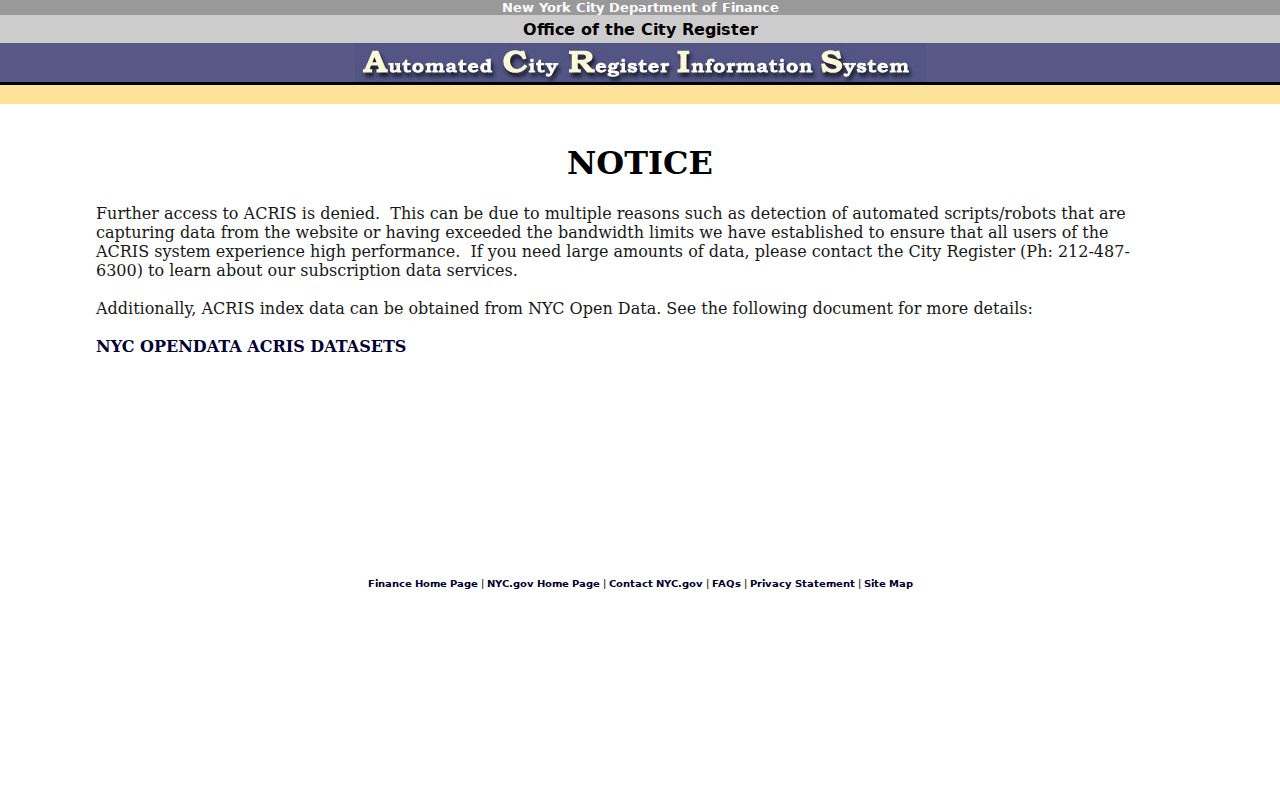
The official ACRIS parcel-search guidance shows the Queens BBL controls.
Walk a Queens Deed Chain Backward
Begin with the deed that gave the current owner of record title. Note the grantor on that instrument. Search that same grantor as a grantee in an earlier period, and repeat the loop. Confirm the same BBL, unit, and legal description at every step. This keeps the chain on one parcel. Record each transfer in a timeline. That makes gaps and same-day entity transfers easy to spot.
| Transfer date | Grantor to grantee | Document | Identifier |
|---|---|---|---|
| Newest verified filing | As stated in image | Exact deed class | CRFN / document ID |
| Prior acquisition | Earlier parties | Exact deed class | CRFN or reel/page |
| Older library record | Transcribed parties | Deed-book entry | Book/page citation |
A chain of title is more than a list of names. Each owner of record needs a matching deed, a verified parcel description, and attention to whatever limit the instrument itself states.
Understand the ACRIS Coverage Boundary
Deeds recorded before 1966 live outside the main ACRIS index. They sit in the City Register Land Record Research Library. For older indexed documents, a reel number, filing year, and page can open a path. That works best for instruments recorded before January 2, 2003. Even then, those keys do not unlock everything. Copy down every prior-instrument reference a deed prints, and carry it forward.
Old Town Records, archival maps, and city directories help fill in the picture. They cover former towns, street names, and subdivisions. Treat them as support, not proof. A name in a directory does not make someone the owner of record. An atlas label drawn decades ago cannot settle a modern legal boundary. A Queens deed, recorded with the City Register, remains the anchor.
Read the Full Queens Legal Description
The borough-block-lot number anchors any Queens property search. A deed schedule often says much more. Courses, distances, easements, partial lots, and condominium interests may all appear alongside the tax lot. Read the property recital closely too. Mergers and subdivisions mean an older deed may cite a predecessor lot. The citation may differ from the current one.
Condominium units, common elements, air rights, and cooperative interests each carry their own legal weight. One building address can hide several distinct interests. When the deed and the plat or map disagree, keep both versions on the table. Do not force them to fit.
Separate Queens Deeds from Mortgages and Liens
A purchase often drags a cluster of other instruments behind it. These include mortgages, assignments, satisfactions, and liens. Seeing them filed tells you nothing about a current balance. A satisfaction only counts once it is matched to the right mortgage. A tax-lien sale, likewise, does not by itself pass title, though a later foreclosure might.
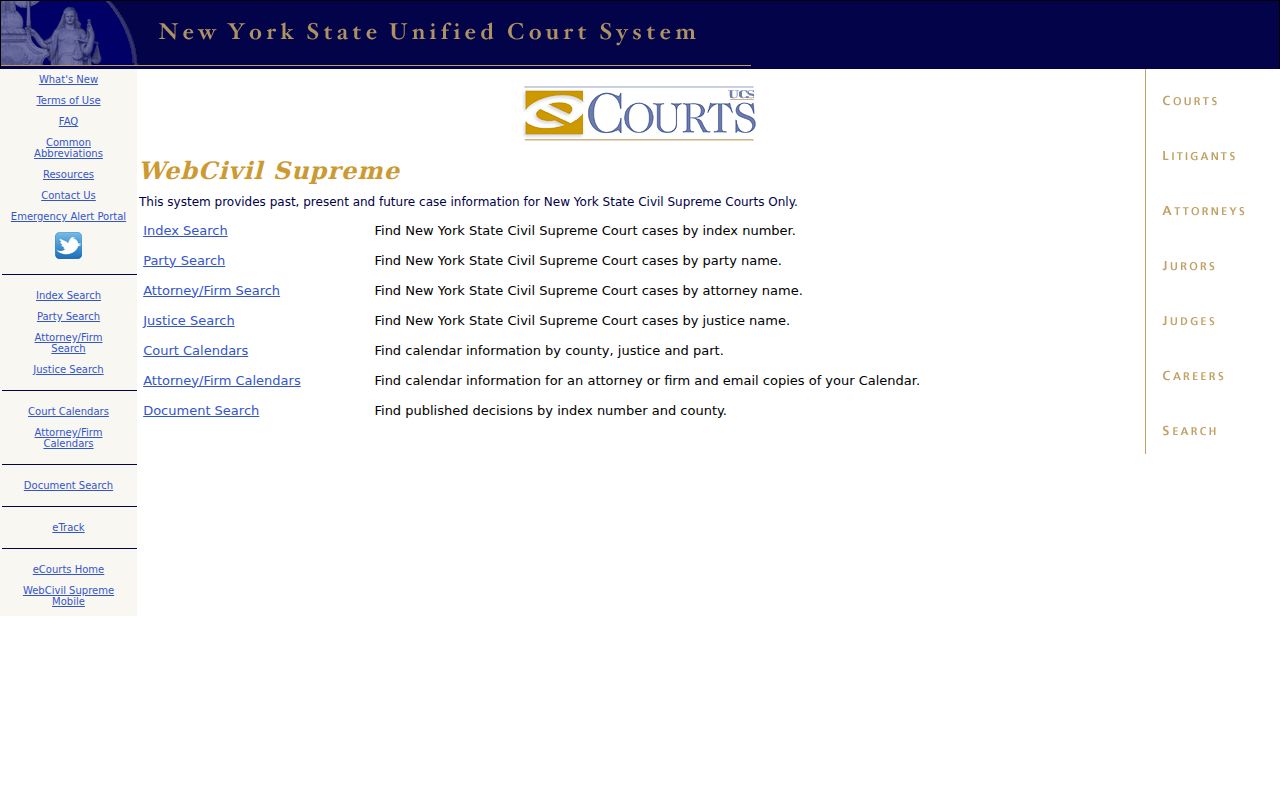
Follow a foreclosure through its whole paper trail. Trace it from complaint and lis pendens through judgment, auction, referee deed, and any release. The Queens WebCivil auction calendar can flag a scheduled sale. But a listing there never proves the sale actually happened. Confirm with the recorded referee deed before drawing conclusions about the owner of record.
The Queens foreclosure calendar source illustrates the auction date, place and case links.
Check Estate and Entity Authority
An executor or administrator deed only tells part of the story. Read it beside the Queens Surrogate's Court proceeding. That proceeding granted the fiduciary authority in the first place. The will or decree may explain why the transfer happened. Yet the recorded deed remains the document you need for tracing the parcel chain in Queens County property records.
Entity transfers call for a different check. For an LLC, compare the deed party against the New York Department of State entity record. Match it name for name. Formation date, status, jurisdiction, and service address can corroborate identity. Keep in mind that these details reveal nothing about beneficial ownership. The service address is never proof of the property address.
Obtain and Cite a Queens Deed Copy
Pull the image through ACRIS and hold onto the CRFN or document ID. That number anchors the record. Some deeds have no image. Others predate online coverage. In those cases, turn to the City Register research and copy channels the official office describes. Certified status only matters when a receiving agency or a legal process demands it.
A solid citation names the custodian, borough, and CRFN or legacy reel and page. It should also list document type, parties, document and recording dates, BBL, image status, and access date. Never cite a bare search-result position. A deed record deserves a full citation.
Recognize Queens Deed-Fraud Warning Signs
Some warning signs demand a closer look. An unfamiliar grantee, a mismatched legal description, an unexplained signature, or an implausible chain in Queens deed records all warrant careful verification. The Notice of Recorded Document program can alert a registrant after recording. It cannot block or undo an instrument, though. It is no substitute for title insurance.
Queens prosecution announcements show that forged instruments do slip into the record. Remedies come through criminal or civil channels. Preserve the image and every identifier first, then use official reporting routes. Never confront a named party on the strength of an index hit.
State the Limits of Queens Deed Records
A recorded deed is strong evidence of a conveyance. Still, a property records search is not a title opinion. Unrecorded interests, litigation, probate, indexing errors, protected data, and later filings can all affect ownership, and a deed description is never a field survey.
Verification boundary. Confirm critical deed records with the City Register and use qualified title or legal help when ownership is disputed.
Keep a Queens Deed Research Log
Every Queens deed search leaves a trail of small details that are easy to lose. Keep a log for each instrument you pull. Include the search mode, borough, block, lot, unit, document type, CRFN, parties and their roles, document date, recording date, image status, and any prior-reference language. Add a short interpretation plus the next source you plan to check. That habit pays off. A missing image or an ambiguous party row stops masquerading as a fact. You can also see exactly where your chain of title leans on court, probate, archive, or predecessor-lot evidence instead of a recorded deed.