
Read Queens County Property Tax Records by Field
Queens County property tax records come from the NYC Department of Finance. Its Property Information Portal bundles parcel data, assessments, exemptions, sales, and tax-map details. This puts everything in one view. Separate bill and payment tools handle whatever amount is due. Begin with the BBL. A near-duplicate address or unit number can otherwise pull the wrong tax account fast.
| Field | Meaning | Do not confuse with |
|---|---|---|
| Market value | Finance estimate of value | Guaranteed sale price |
| Assessed value | Value after class rules and ratios | Tax due |
| Taxable / billable value | Value after applicable adjustments | Recorded consideration |
| Exemption | Program reduction to value | Abatement against calculated tax |
| Charges and payments | Account activity for a tax period | Mortgage escrow ledger |
Look Up a Queens Tax Account
Resolve the address in the Property Information Portal. Confirm borough 4, the block, and the lot. Check the tax year and property class before comparing any values. Then open the right Finance bill or payment view. Record the statement date, charge period, balance, and account identifier together.
Mailing names and addresses serve account administration only. The latest deed settles ownership, not an envelope label. A lender paying tax through escrow is not the owner either.
Apply Queens Class 1 and Class 2 Rules Correctly
Queens County property gets sorted into classes by NYC. Each class follows its own valuation rules. Assessment ratios can differ between Class 1 and Class 2. Statutory caps and transitional treatment differ too. So a single informal formula cannot convert two market values into taxes. The math only works when the class matches too.
Compare like tax years and like classes. A lot merger, a condominium conversion, or a class change can interrupt a trend line. Note: cite the published Finance methodology and fiscal year. Do not carry a rate forward from an older bill.
Separate Queens Exemptions and Abatements
Exemptions work through their own eligibility and filing rules. STAR, senior, and disability programs can reduce assessed or taxable value. Each does so on its own schedule. Abatements cut calculated tax differently. A program label on one bill guarantees nothing for a future year.
Read the exemption panel, benefit year, and property details as a set. Applicant information and eligibility evidence may stay protected from public view. Deadlines shift, so confirm them on the current Finance program page each cycle.
Compare Tax Values with Recorded Sales
A market value estimate answers one question. Assessed value, taxable value, and sale amount answer others. ACRIS records the transaction field attached to an instrument, while Finance valuation follows tax rules and effective dates. Neither figure equals a private appraisal.
Pull the deed image whenever a sale looks odd. Entity transfers, partial interests, estate deeds, foreclosure deeds, and corrective filings can make the recorded amount useless as a market comparison. Always pair the document type and date with the amount cited.
Follow Queens Delinquency Without Assuming a Transfer
Unpaid tax and related charges can trigger enforcement. A tax-lien sale moves the lien to an authorized buyer, not the title. Foreclosure may come later. Track the lien sale, court case, judgment, auction, and deed as separate events. Then record the release in sequence too.
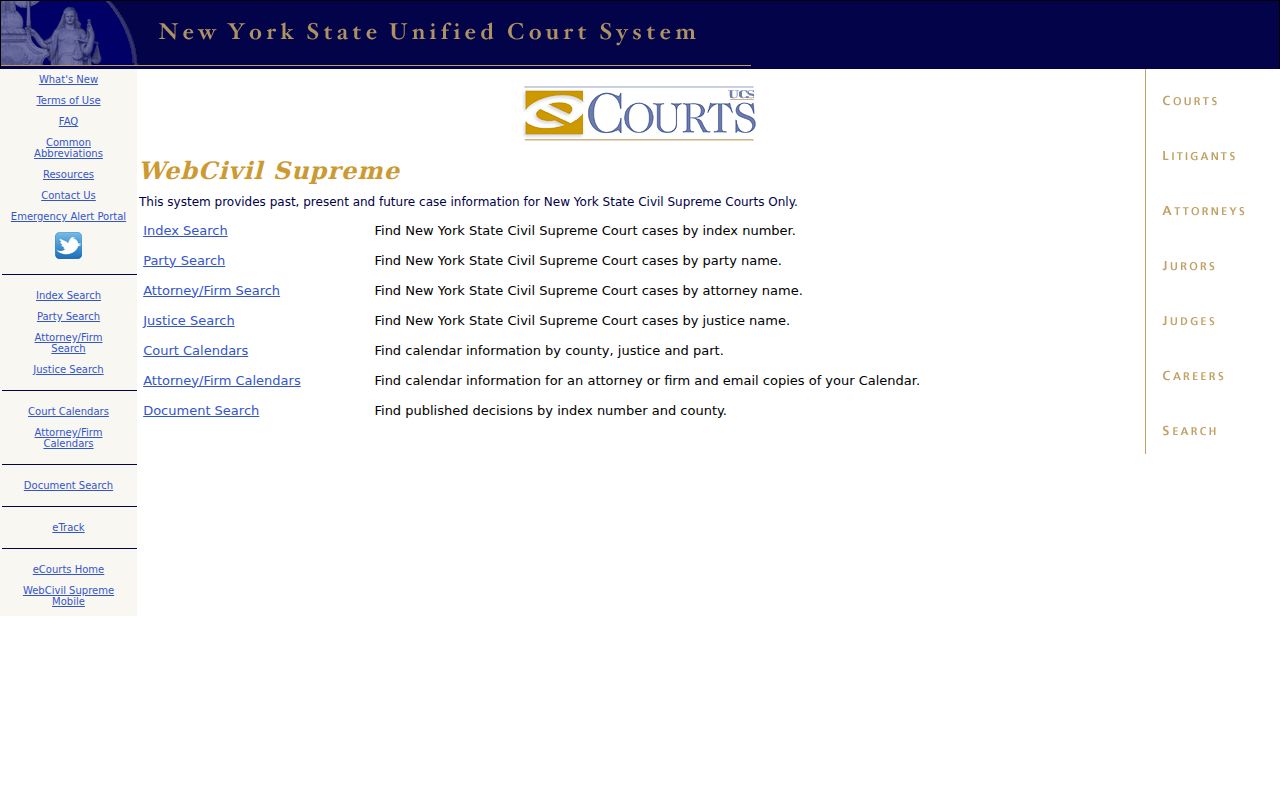
A WebCivil calendar entry or notice of sale proves no auction happened. Confirm the docket outcome and any later ACRIS filings before changing an ownership conclusion.
The official Queens foreclosure calendar shows how scheduled auctions and case links appear.
Use Tax Map History in a Queens Review
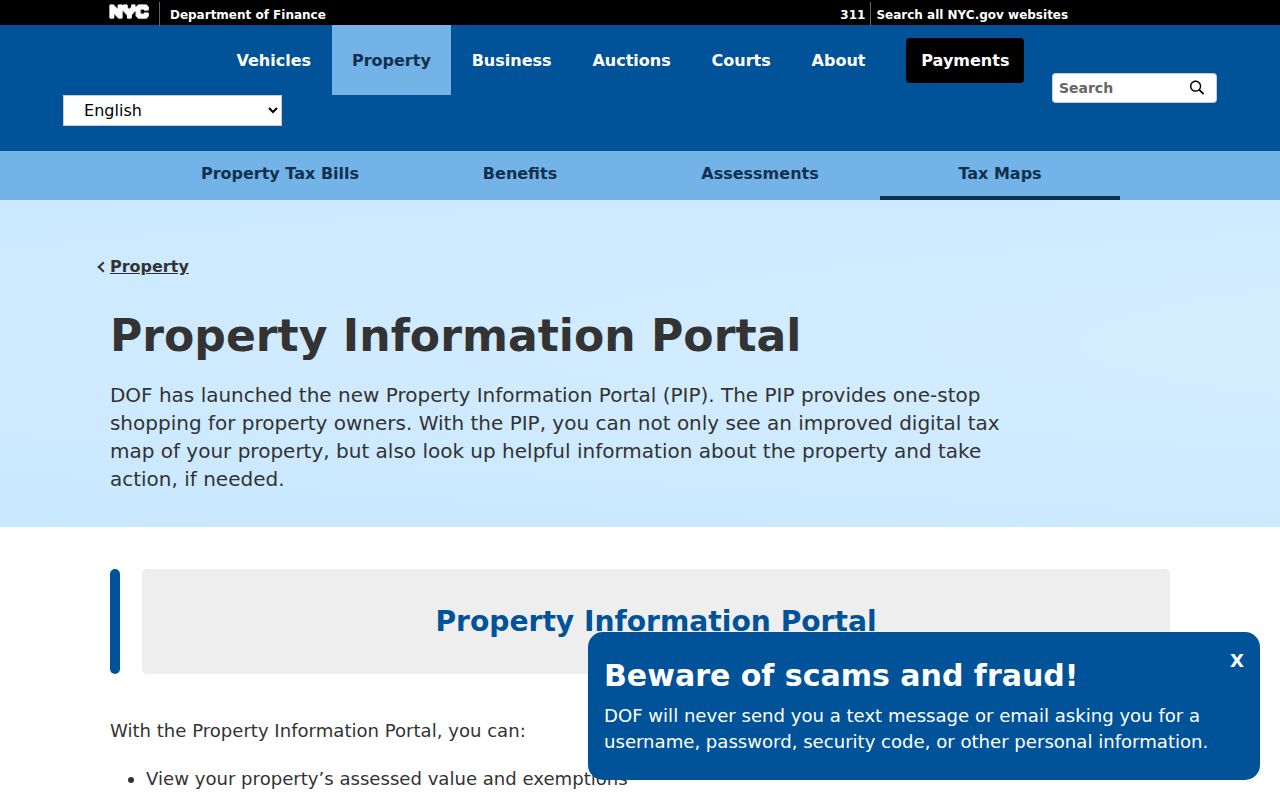
The Finance portal and Digital Tax Map reveal lot history, labels, dimensions, and map dates. A subdivision or merger often means older values belonged to a predecessor parcel. Preserve the former lot references before comparing tax years across the gap.
Tax-map geometry confirms account identity, not property lines. DTM, open-data polygons, and PLUTO refresh on different cycles for different purposes. A disputed boundary calls for a licensed survey, nothing less.
The Digital Tax Map source displays the Queens tax-lot framework behind the account.
Review a Queens Assessment on the Correct Schedule
Finance review and New York City Tax Commission appeals run on separate tracks. Each uses year-specific forms and its own deadlines. Begin with the notice, confirm the class and values, then read the current official instructions. A deadline quoted for an earlier tax year cannot be trusted.
Evidence should target the specific valuation issue. A recent deed supplies transaction context. Comparable assessment profiles show administrative treatment. Neither controls the outcome on its own.
Document the Queens Tax Record
Log everything. Save the BBL, tax year, property class, market, assessed, and taxable values, exemption labels, bill date, charges, payments, source URL, and access date. Note any parcel change. This discipline keeps figures from different years and panels out of each other's way.
For formal purposes, obtain the official statement or certified record the receiving party requires. A screenshot shows what a portal displayed, nothing more. It is not permanent certification.
Limits of Queens Property Tax Records
Tax data cannot establish clear title, current occupancy, equity, a mortgage payoff, or a likely sale price. Updates land on separate schedules, and exemptions may shield personal information from view.
Value warning. An assessed value exists for taxation and is not a professional appraisal or a promise of what the property would sell for.
Reconcile Queens Tax and Ownership Dates
Queens County records do not move in step. A deed can be recorded weeks before the tax roll lists the new owner of record, and the gap sometimes runs the other way. An assessment year may also open after the valuation date printed on a notice, so matching numbers across offices takes care.
Benefits expire. Balances shift after payments and adjustments. Note the date you pulled each figure, point readers to the current official account, and request an official statement whenever a transaction needs a dependable payoff amount.
Use the Current Queens Fiscal Year
In Queens County, each fiscal year carries its own property-tax rates, assessment notices, exemption cycles and appeal deadlines. Label every calculation with its year. Pull the current official table before repeating any rate. Comparing two bills works best when you separate value changes, class shifts, exemptions, abatements, rates and account adjustments. The market-value line can hold perfectly still. The total still moves, and that labeled breakdown beats blaming one unlabeled cause.